


02 May Tree Trimming, Pruning & Removal in Sydney: The Honest Guide to Costs & Process
Here’s a situation that plays out across Sydney every single spring.
A homeowner looks out the window, notices a tree branch the size of a small car hanging directly over their pergola, and thinks: “That’s probably fine.” Then November rolls around, a storm tears through, and suddenly they’re on the phone to their insurer explaining why there’s a gum tree branch embedded in their outdoor furniture.
Sound dramatic? It happens more than you’d think — and it’s almost always preventable.
Whether your trees need a light seasonal trim, a professional prune, full removal, or you’ve just inherited a block with vegetation that hasn’t seen a chainsaw since the Hawke era — this guide covers everything Sydney homeowners need to know about tree services. Costs, process, council rules, mulching, stump grinding, the works.
No fluff. Just the real stuff.
Tree Trimming vs Pruning vs Removal: What’s Actually the Difference?
People use these terms interchangeably, but they mean different things — and choosing the wrong service can cost you time, money, and occasionally a tree.
Tree trimming is primarily about appearance and light control. It removes excess growth, shapes the canopy, clears branches from rooflines and fences, and keeps things looking tidy. Most trimming doesn’t require an arborist report and is relatively fast to complete.
Tree pruning is about tree health and safety. It involves the selective removal of dead, damaged, diseased, or structurally weak branches — using specific cuts at the right angles and positions to promote healthy regrowth and reduce the risk of failure. Professional pruning follows Australian Standard AS4373, and when done correctly, it extends the life of your trees rather than just reducing their size. Professional tree trimming and pruning in Sydney requires genuine arboricultural knowledge — not just someone handy with a chainsaw.
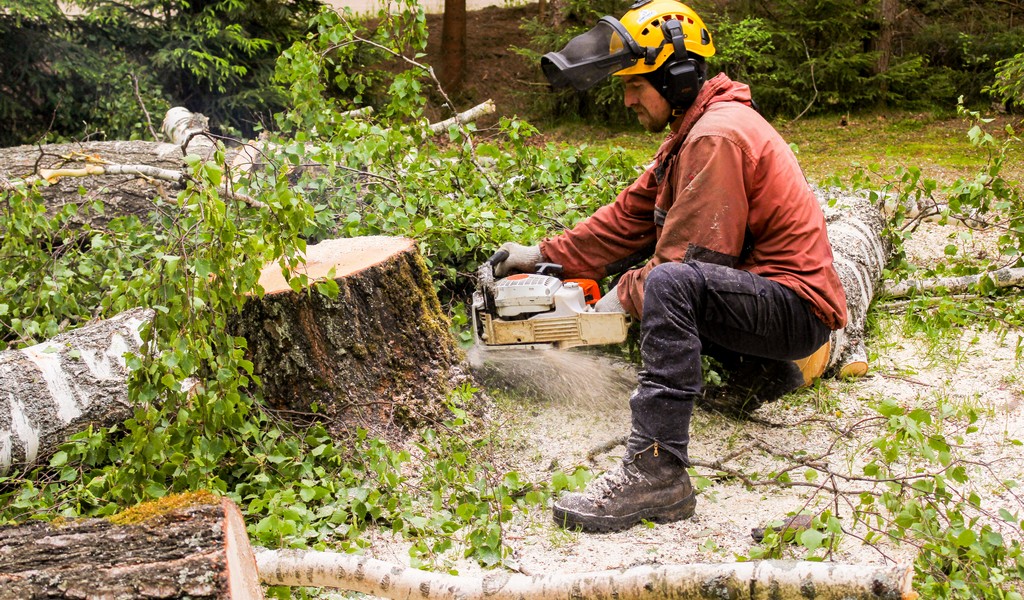
Tree removal is the full exit — when a tree is dead, diseased beyond recovery, structurally compromised, or simply in the wrong place. It’s a controlled, staged operation from the top down, and for large or complex trees it requires proper equipment, rigging, and a qualified crew.
Understanding which one you actually need is the first step toward getting the right quote.
When Should You Actually Call a Tree Service? (Don’t Wait for a Crisis)
Your trees won’t send you a calendar invitation when they need attention. But they do give signals — if you know what to look for.
Call a professional arborist when you see:
- Dead or brittle branches in the canopy — grey, barkless, won’t flex. These are the ones that fall without warning
- Cracks or splits at major branch unions or the main trunk
- Fungal growth at the base — mushrooms, bracket fungi, or white powder on the root flare
- Leaning that’s worsened after wet weather or wind events
- Branches over rooflines, driveways, or powerlines — anything overhanging critical infrastructure needs professional attention
- Hollows in the trunk — not always a death sentence, but needs assessment
- Leaves browning out of season — can indicate root disease, soil issues, or structural stress
The other signal? Your gutters. If your gutters are filling with leaf litter, seeds, or bark from overhanging trees after every wind event, it’s worth booking a professional gutter clean alongside your tree work — blocked gutters in Sydney’s wet season cause expensive water damage that’s completely avoidable.
The Tree Trimming & Pruning Process: What Actually Happens
For anyone who’s never had a tree crew work on their property before, here’s a plain-English rundown of how a professional job unfolds.
Step 1: Assessment & Scope
The arborist inspects the tree — species, age, structure, health indicators, proximity to structures and powerlines, access for equipment and waste management. This determines what work is actually needed versus what the customer thinks they need (sometimes different things). A proper assessment also flags whether council approval is required before a single cut is made.
Step 2: Council Check
In NSW, many trees are protected by Tree Preservation Orders or Development Control Plans depending on the local council area. City of Sydney, Inner West, North Sydney, Parramatta, Ku-ring-gai — each has its own rules about what size, species, and type of pruning requires an application. Pruning that removes more than 10% of the canopy, or any work on a listed significant tree, often requires written approval. Your arborist should advise on this before committing to a scope.
Step 3: Equipment Setup & Site Protection
The crew establishes a drop zone, protects garden beds, vehicles, fences, and any other assets below the working area. Rigging ropes are set up for controlled lowering of large sections. For trees near powerlines, Ausgrid-compliant exclusion zones are observed — powerline work is specialist territory and shouldn’t be attempted by unlicensed operators.
Step 4: Systematic Trimming or Pruning
For trimming jobs, branches are removed progressively to achieve the desired shape and clearance. For pruning, cuts follow established arboricultural technique — collar cuts (not flush cuts), removal of crossing and rubbing branches, deadwood extraction, and canopy thinning to improve airflow. Every cut is deliberate.
Step 5: Chipping, Mulching & Cleanup
Cut material goes straight into the chipper on-site. The resulting mulch can be left on your property — excellent for garden beds — or removed entirely as part of green waste management. A quality crew handles all waste removal and leaves the site clean. Not “mostly clean.” Actually clean — paths blown down, debris raked, job done.
Tree Removal in Sydney: The Full Process
Full tree removal is the most complex operation in arboriculture, and the stakes are highest. Here’s how it’s done properly.
For trees that can be felled in one piece (clear space, no structures in the drop zone), a single controlled fell is fastest. For the vast majority of Sydney residential trees — tight backyards, neighbouring fences, structures in every direction — sectional dismantling is required.
The tree is climbed and worked from the top down. Each section is rigged and lowered in a controlled manner. The trunk comes down last. Everything feeds into the chipper. Safe, professional tree removal and felling in Sydney isn’t a hack job — it’s a structured, planned dismantling that protects your property, your neighbours’ property, and everyone working on site.
After the tree is down, you’re left with a stump. Which brings us to the next service.
Stump Grinding: Because Stumps Are Horrible and Everybody Knows It
Left-over stumps are a trip hazard, an invitation for white-ant colonies, a lawnmower’s worst nightmare, and — let’s be honest — just ugly. Stump grinding in Sydney uses a rotating carbide-tipped grinder to chew the stump down 200–300mm below ground level. The resulting chips fill the void and can be raked flat. The area can then be turfed, garden-bedded, or built over.
Stump grinding is almost always cheaper when booked alongside tree removal — the crew is already there, the equipment is on-site, and most operators offer a combined rate.
Tree Mulching & Wood Chipping in Sydney: Affordable, Useful, Underrated
Here’s the one that surprises most people: your tree waste has value.
Professional tree mulching and wood chipping in Sydney turns all those branches, off-cuts, and cleared vegetation into usable garden mulch on the spot. Applied 75–100mm deep around garden beds, quality wood chip mulch:
- Retains soil moisture through Sydney’s increasingly brutal summers
- Suppresses weeds without chemicals
- Regulates soil temperature
- Breaks down slowly to feed soil biology
If you’re buying bagged mulch from a hardware store, you’re essentially paying to have something carted away and then paying again to buy it back in a different form. Keeping chips on-site (or booking a fresh mulch supply) is one of the most practical cost-savers available.
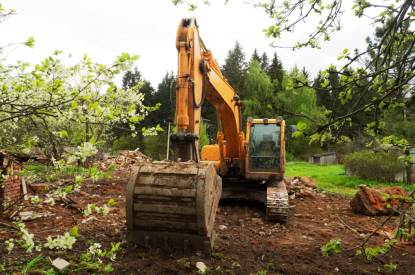
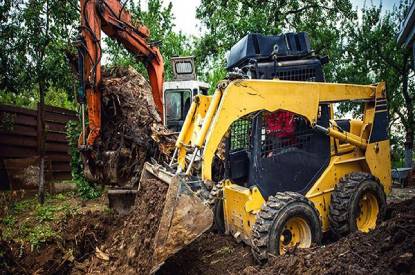
For larger projects — land clearing, vegetation removal from development sites, significant tree work — land clearing and site preparation services handle everything from vegetation removal to site levelling for construction or landscaping. This is particularly relevant for new home builds, subdivision projects, or rural-to-residential transitions across Sydney’s outer suburbs.
Tree Removal & Trimming Costs in Sydney: Current Price Guide
Let’s get to the numbers. These figures reflect 2025–2026 Sydney market rates.
Tree Trimming & Pruning
| Tree Size | Typical Cost Range |
| Small tree (under 5m) | $200–$400 |
| Medium tree (5–10m) | $400–$900 |
| Large tree (10–15m) | $800–$1,800 |
| Extra-large/complex | $1,800–$3,500+ |
| Hourly arborist rate | $80–$150 per hour |
Tree Removal
| Tree Size | Typical Cost Range |
| Small tree (under 5m) | $300–$700 |
| Medium tree (5–10m) | $700–$2,500 |
| Large tree (10–20m) | $2,500–$5,000 |
| Very large/complex | $5,000–$10,000+ |
Additional Services
| Service | Typical Cost Range |
| Stump grinding (small) | $150–$350 |
| Stump grinding (large) | $350–$800 |
| Deadwooding (medium gum) | $650–$950 |
| Arborist report | $350–$700 |
| Council permit application | $100–$500 |
| Emergency callout premium | +30–50% on standard rates |
What pushes costs up in Sydney:
- Trees near structures, powerlines, or pool fencing requiring sectional dismantling
- Limited side access requiring manual handling of material
- Protected species requiring arborist reports and council permits
- Storm damage or emergency callout (priority scheduling costs more)
- Multiple-storey height requiring special access equipment
What brings costs down:
- Booking in winter (June–August) — demand drops, pricing gets competitive; expect 20–30% savings
- Bundling tree removal, stump grinding, and mulching in one visit
- Keeping mulch on-site rather than paying for off-site disposal
- Getting 3–4 written quotes from qualified, insured operators


Affordable Tree Services in Sydney: Getting Quality Without Getting Burned
“Affordable” and “cheap” are genuinely different things in the tree services industry.
A $250 quote from a bloke with a borrowed chainsaw and no insurance sounds affordable — right up until a branch falls on a fence panel and you discover there’s no public liability coverage and he stopped answering his phone. In NSW, tree work without adequate insurance leaves the property owner exposed.
Legitimate ways to reduce costs without compromising on quality:
Book in winter. This is genuinely the most effective way to reduce costs — arborists are less busy and more competitive on price. You’ll routinely save 20–30% on the same scope of work.
Bundle services. Combining tree trimming, removal, stump grinding, and mulching in a single visit reduces mobilisation costs significantly. One truck, one chipper, one crew. Much more efficient than three separate bookings.
Ask about mulch on-site. If your arborist is going to chip everything anyway, having them leave the mulch saves you disposal fees — and gives you free garden material.
Get written quotes, not verbal estimates. A written scope tells you exactly what’s included (and what isn’t). That’s where the “hidden” costs live in low-ball quotes — everything that’s quietly excluded.
You can see a range of completed tree work across Sydney in the Sydney Tree Felling project gallery — useful for setting realistic expectations about scope and finish quality before you commit to anything.
Sydney Council Tree Regulations: What You Need to Know
Every Sydney homeowner who’s about to do tree work should understand the basics of local council tree preservation rules. They vary by council area, but the general framework is:
Most councils have a Tree Preservation Order (TPO) that protects trees above a certain size threshold — typically trees over 5 metres tall, or with a trunk circumference over a certain measurement at 1 metre height. Native species, significant trees, and trees in heritage conservation areas have additional protections.
Before doing any major tree work in Sydney, you may need:
- A Development Application (DA) or Tree Works Application
- An independent arborist report
- Council inspection of the site
Fines for illegal tree removal in NSW can reach $1.1 million for significant trees. That’s not a typo. Council rangers do investigate, and neighbours do complain.
The good news: most quality tree services will advise you on what’s required for your specific property before any work begins. If a contractor says “council approval isn’t needed” without actually checking, that’s a red flag worth noting.
Explore the complete range of tree services from Sydney Tree Felling — from trimming and pruning through to land clearing, rubbish removal, and gutter cleaning — all delivered by qualified arborists who understand Sydney’s council requirements.
Frequently Asked Questions
How often should trees be trimmed in Sydney? For most residential trees, a light trim every 2–3 years is adequate. Fast-growing species like Pittosporum or Lilly Pilly may benefit from annual attention. Structural pruning for hazard reduction should happen whenever the risk warrants it — not on a fixed schedule.
Can I trim my neighbour’s tree branches in NSW? Common law gives you the right to trim branches overhanging your property back to the boundary line — at your own cost, and without damaging the tree. For protected trees, you may still need council permission. Don’t trim to the trunk without advice.
Do I need council approval to remove a dead tree? Often exemptions exist for dead trees that pose immediate danger, but the definition of “dead” and “immediate danger” varies by council. Check with your local council or get an arborist to document the tree’s condition before proceeding.
Is mulching worth the extra cost? It’s usually not extra — many Sydney tree services include chipping as standard, and you can simply ask for the mulch to be left on-site rather than removed. That’s free garden material worth $300+ if you were to buy it separately.
What is the best time to prune trees in Sydney? Late autumn through winter (May–August) is optimal for most species. Trees are dormant, healing happens before the spring growth flush, and pest activity (like bora beetles) is lower. It’s also when arborists are quietest and quoting most competitively.
Time to Sort Out Your Trees?
Whether it’s a seasonal trim, a problematic branch over the roofline, a full removal, stump grinding, mulching, or land clearing — Sydney Tree Felling handles the full scope of residential and commercial tree services across Sydney.
Qualified arborists. Proper insurance. Equipment that can handle the job. And a crew that actually cleans up when they’re done.
Get a free quote today — because that branch over the pergola isn’t going to sort itself out, and storm season doesn’t wait for convenient timing.
Sydney Tree Felling provides professional tree trimming, pruning, removal, stump grinding, land clearing, mulching, wood chipping, rubbish removal, and gutter cleaning services across greater Sydney — including the Inner West, North Shore, Eastern Suburbs, Western Sydney, Hills District, Parramatta, Ryde, Sutherland Shire, and surrounding suburbs.